
 Svenska
 Dansk
Dansk
 Suomi
Suomi
 Deutsch
 Polskie
 Français
 Nederlands
 Italiano
 Español

Northern Ostrobothnia, or Pohjois-Pohjanmaa in Finnish, is a very large and varied landscape. It stretches from the coast of the Gulf of Bothnia and the Oulu area to Kuusamo in the east. Here there are flat coastal lands, bird wetlands, sand dunes, marshes, old-growth forest and ridges.
It is therefore important to distinguish the landscape from both Central Ostrobothnia, Kainuu and Lapland. Oulanka, Syöte and Rokua are located in Northern Ostrobothnia, although Oulanka National Park continues across the provincial border into Lapland. The distances are large. Therefore, plan your trip based on one area at a time, and always check current information about trails, roads, parking and any restrictions.
Here are seven nature experiences that show the breadth of the landscape.
1. Oulanka National Park – Pieni Karhunkierros along Kitkajoki
Oulanka is the obvious choice for those who want to experience rapids, ravines and hilly forest terrain. Pieni Karhunkierros is a circular trail of approximately 12 kilometers starting at Juuma. It usually takes several hours and is one of Finland's most visited hiking trails.
The trail goes through old forest and along Kitkajoki, over bridges, trestles and stairs. The surface varies between forest paths, roots, rocks and steep sections. When it rains, wood, roots and rocks become slippery. A stable grip is more important than low weight on the shoes.
The experience level is medium to demanding for those unfamiliar with hilly terrain. For an experienced hiker, the trail is a well-marked day trip, but it should not be confused with an easy walk. Plan extra time if the group is large, the weather is wet, or someone in the group has difficulty with elevation changes.
Check the current trail status and rules with Luontoon before you set off. The trail is popular during the bare ground season and the more remote parts of Oulanka give a different feel to the well-traveled circular trail. Don't try to leave the trail without a map, experience and a clear reason. Oulanka's river landscape rewards a leisurely pace.
2. Syöte National Park – Syöteen kierros through ancient forest and bog
In Syöte you will encounter a gentler but still clearly hilly terrain. According to current trail information, the Syötteen kierros trail is approximately 19.3 kilometers long and is classified as medium difficulty. It runs through old forest, bogs and ridges around Syöte.
The trail consists of forest paths, gravel sections and bridges. Some parts are easy to walk, while others become slower as roots and wetlands replace each other. During the bare ground season, the trail is suitable for a long day trip for those who are used to walking 20 kilometers. It is not a good first long trip if you lack a margin in fitness or navigation.
Syöte is a good destination for those who want to experience altitude differences without seeking mountain terrain. You get views from the ridges, but also clear contact with bogs and dense forests. Luontoon indicates the current route and service of the trail . Check in particular whether the trail is snow-free, as the Syöteen kierros is not maintained as a hiking trail in the winter.
Bring enough water and a packed lunch. Rest areas and shelters may be located along the trail, but they should not be treated as guaranteed meal stations. Balance is easy here: the trail is well marked, but the length means that fatigue will affect the pace in the last hours of the day.
3. Rokua National Park – Harjunpolku trail over ice-age ridges
Rokua is different from both Oulanka and Syöte. Here the Ice Age is the focus. Ridges, sand dunes and light pine heaths create a more open landscape with lichen-covered ground.
Harjunpolku , about 2.5 kilometers, is a concrete and easy nature trail through the typical ridge and low pine forest. For a longer excursion, there is also Pookinpolku and other trails in the area. The surface is often sandy or hard, but the differences in height and loose soil can be felt in the calves.
Rokua National Park should not be confused with the larger Rokua Geopark area . The geopark encompasses a larger landscape with several natural and cultural sites, while the national park has special regulations to protect the sensitive lichen land.
See current information about trails and rules in Rokua National Park . Stay on marked trails. Dogs must be leashed, and camping is only permitted at designated rest and camping sites. Fires may only be made at designated fire sites and never when a fire ban is in effect.
Rokua is suitable for beginners who want to start gently, but also experienced hikers who appreciate a special geological environment. The best equipment here is often simple: good shoes, water, sun protection and respect for the easily worn ground.
4. Hailuoto – Marjaniemi and the Gulf of Bothnia coast
Hailuoto offers a completely different hiking experience. The island is located outside Oulu and combines sandy beaches, beach meadows, dunes and coastal environments rich in birds. At Marjaniemi there is an officially described nature trail that runs from the area around the lighthouse towards the coastal dunes.
The trail is easy and suitable for those who want to experience marine nature without a long or technically demanding hike. This does not mean that Hailuoto is a spontaneous destination. The ferry, possible queues, road conditions and weather need to be factored into the planning. Check current ferry information and leave a good amount of time.
Wind is the most important factor on the coast. A warm summer day can quickly turn chilly when clouds and sea breezes move in. Bring a windproof jacket even if the forecast looks mild. Luontoon describes the coastal environment of Marjaniemi and other nature experiences on Hailuoto .
The coast is also a bird habitat. Stick to paths and respect any access restrictions during nesting and migration. Hailuoto rewards planning more than spontaneity.
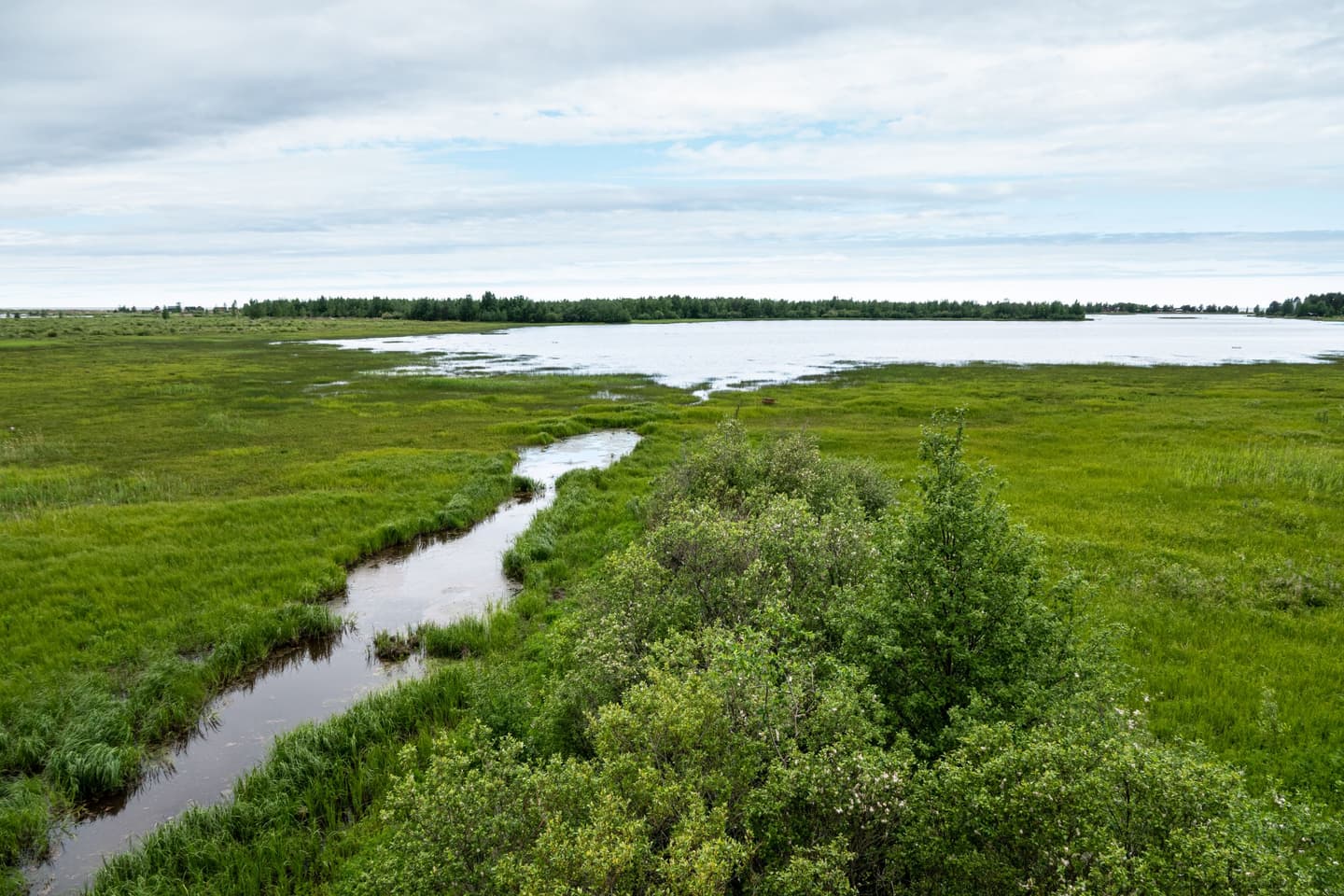
5. Liminganlahti – birdwatching tower and wetland
Liminganlahti is not wilderness. It is an easily accessible and very valuable wetland experience near Oulu. From Liminganlahti Nature Centre, a wide gravel nature trail of approximately 600 meters leads one way to Virkkula birdwatching tower.
The goal here is birdlife, water and open views rather than physical exertion. Bring binoculars, a packed lunch and patience. Spring and autumn can be particularly interesting during migration, but birdlife varies with season and weather.
Please be considerate at the tower. Keep noise levels low, use only marked paths and follow signs about barriers or bird protection. Dogs must be kept under control and may be subject to local restrictions. Liminganlahti Nature Centre describes bird towers and activities in the area .
This is a great destination for families and for days when the weather or time is not enough for a longer forest walk. The nature experience is no less significant because the trail is short.
6. Sanginjoki – Korpilammen kierros near Oulu
Sanginjoki Nature Reserve is located near Oulu and offers a forest walk without long transport into the wilderness. The Korpilammen kierros trail is approximately 5.2 kilometers long, with an official time estimate of about two to three hours and a medium difficulty rating.
The trail goes through spruce forest, dry pine forest and restored bog. It follows narrow paths, bridges and some gravel sections. There are roots, and after rain the path can be muddy and slippery. There is a rest area and viewing platform at Korpilampi.
This is not primarily a rapids hike. For rapids and dramatic river scenery, Oulanka is a better choice. Sanginjoki's strength lies in the combination of forest, streams, bog and proximity to the city. Read the official trail information at Luontoon . It also states that there is no water point and winter maintenance.
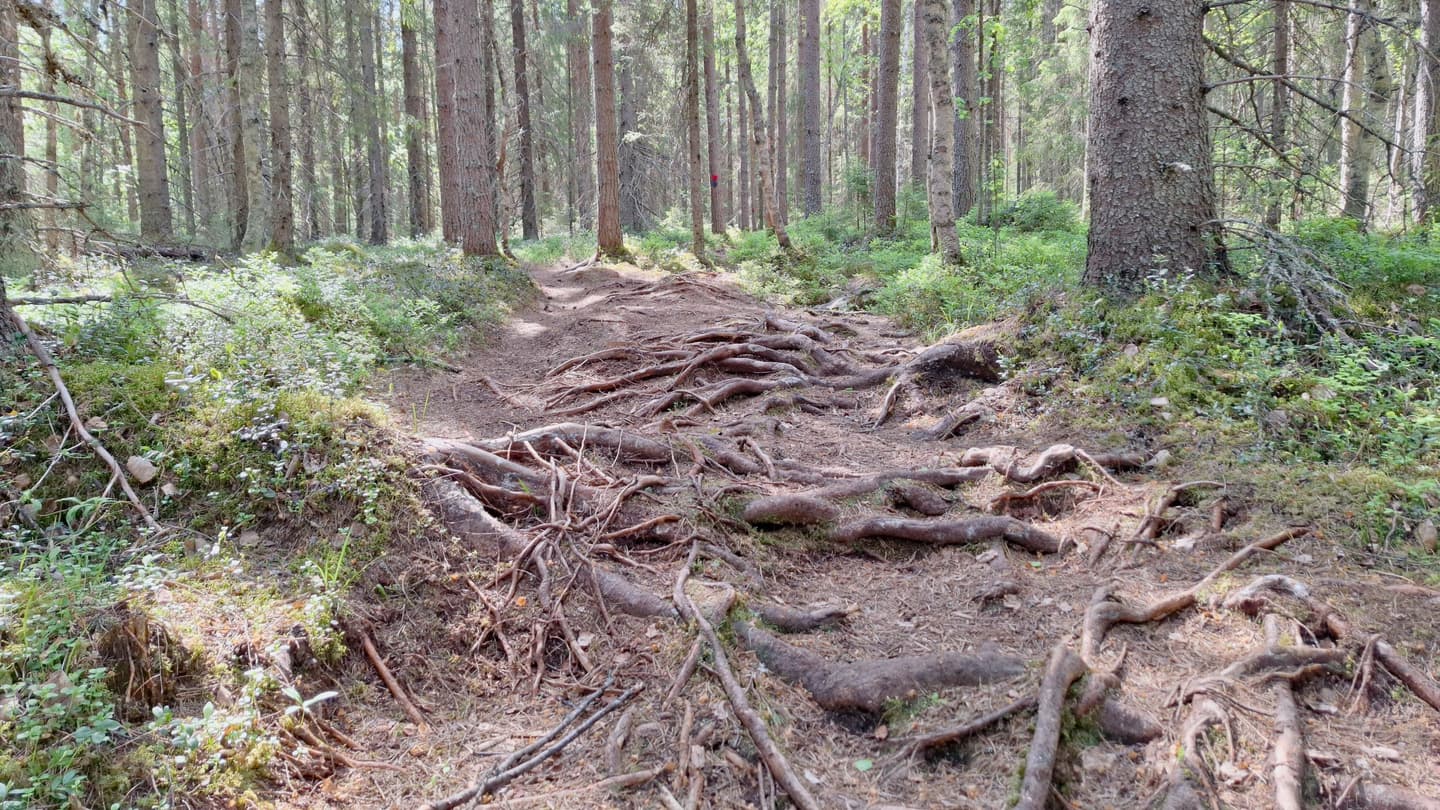
7. Vihaslahti – coastal meadows, dunes and birdwatching towers
Vihaslahti by Kalajoki is a small coastal destination with a great variety of nature. An easy path of about a hundred meters leads to the birdwatching tower over an area where land uplift, waves and ice have formed coastal meadows, sand and a former sea bay.
For those who want to hike further, the area can be connected with trails towards the Kalajoki sand dunes. The surface is partly gravel and partly sand. This makes the hike easy for many, but sand can be surprisingly tiring if you walk far.
Vihaslahti is located in a Natura 2000 area and is important for both breeding and resting migratory birds. Luontoon describes the nature trail, bird tower and the area's conservation values .
Coastal weather can change quickly. Bring wind bearings, check current access to parking and rest areas, and respect bird protection. Margins are more important than pace here.
Equipment for Northern Ostrobothnia's varied trails
Start with what affects safety and recovery the most:
- Shoes and clothing: Choose your grip according to the surface. Oulanka's rocks and roots require stability, while the coast and marsh require protection from wind and moisture. Dress in layers.
- Navigation and water: Have offline maps, a charged phone, and a physical backup plan. Bring more water than you think you'll need, especially on trails without water points.
- Shelter and sleep: For overnight stays, choose tents based on wind, precipitation and group size – not just weight. See HikingStore's tents , backpacks and sleeping pads .

A sleeping pad that is too thin can cause ground chilling and poor recovery even when the sleeping bag is warm enough. When choosing a sleeping bag or quilt, look at the temperature rating, fill weight and construction. HikingStore's guide to bird down explains how CUIN and fill weight affect warmth. See also sleeping bags at HikingStore .

Don't forget first aid, mosquito repellent and clothing that covers the skin during periods with a lot of mosquitoes and ticks. Follow national park and reserve rules for dogs, fires, camping and waste. The right of public access does not automatically give the same freedom in a protected area.
Northern Ostrobothnia works best when the equipment is adapted to the location. Trench, sand, roots, bog, steep rocks and coastal wind pose different requirements. The best equipment is not the lightest in every situation, but the one that works reliably when the weather changes.